

Blood Sugar Test in the Philippines: Why Diabetes Screening Matters for Early Detection
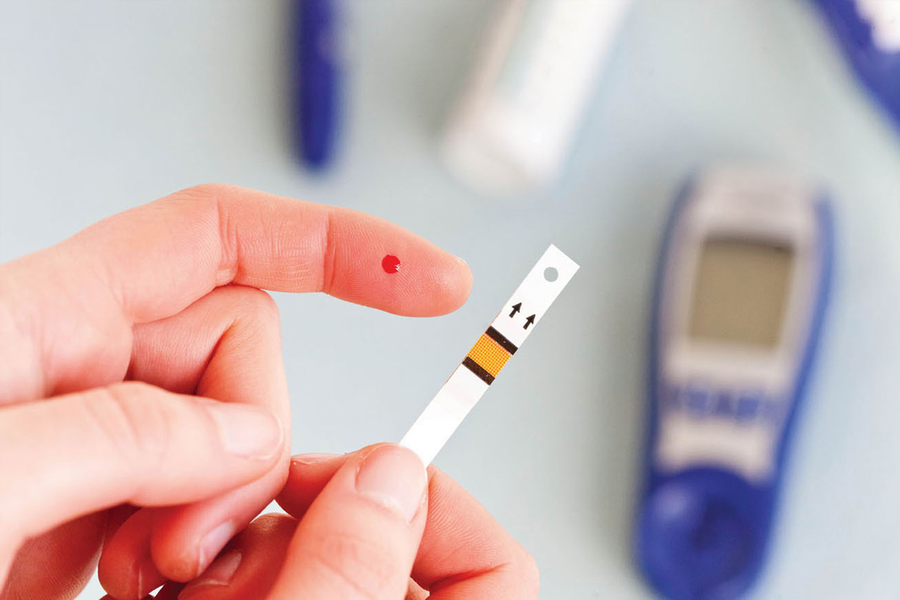
Diabetes can develop quietly. Some people notice symptoms such as frequent urination, increased thirst, tiredness, blurry vision, or slow-healing wounds. Others may feel completely normal even when their blood sugar is already higher than it should be. This is why early testing matters, especially for people with risk factors such as family history, excess weight, high blood pressure, previous gestational diabetes, or a sedentary lifestyle.
For patients searching for blood sugar test Philippines, the goal should not only be to get a number on a laboratory report. The real value comes from understanding what the result means, what steps to take next, and when to consult a doctor. A timely test can help detect prediabetes or diabetes earlier, giving patients a better chance to manage their health before complications develop.
What Is a Blood Sugar Test?
A blood sugar test measures the amount of glucose in the blood. Glucose is a major source of energy for the body, but having too much of it for a long time can affect the blood vessels, nerves, kidneys, eyes, heart, and other organs.
There are different types of tests that may be used depending on the patient’s symptoms, risk level, and doctor’s recommendation. Some tests require fasting, while others can be done at any time of the day. Your doctor may also request repeat testing or additional exams to confirm the result.
Why Diabetes Screening Matters
Diabetes screening helps identify people who may have high blood sugar even before symptoms become obvious. This is important because early changes may not always feel serious. A person may continue with daily routines without knowing that blood sugar levels are already affecting long-term health.
Early detection can help patients take action sooner. Lifestyle changes, medical guidance, regular monitoring, and treatment when needed can reduce the risk of complications. Screening is especially helpful for people who have a family history of diabetes, are overweight, have high cholesterol, have high blood pressure, or are physically inactive.
For women, a history of gestational diabetes or delivering a large baby may also increase future risk. These details should be discussed with a doctor during consultation.
Common Types of Blood Sugar Tests
Doctors may recommend different tests depending on the situation. Understanding the basics can help patients feel more prepared.
Fasting Blood Sugar Test
A fasting blood sugar test measures glucose after not eating for several hours, often overnight. It is commonly used because it gives doctors a clearer picture of blood sugar when food has not recently affected the result.
Patients should follow the fasting instructions carefully. Eating, drinking sweet beverages, or taking certain medicines before the test may affect accuracy. If you are taking maintenance medications, ask your doctor what to do before fasting.
Random Blood Sugar Test
A random blood sugar test can be done at any time of the day. It may be used when a patient has symptoms that suggest high blood sugar. Since the result can be affected by recent meals, doctors interpret it together with symptoms and other test results.
HbA1c Test
The HbA1c test gives an estimate of average blood sugar levels over the past two to three months. It does not usually require fasting, making it convenient for many patients. Doctors may use it for screening, diagnosis, or monitoring, depending on the patient’s case.
Oral Glucose Tolerance Test
An oral glucose tolerance test checks how the body handles sugar over a period of time. It often involves fasting, drinking a glucose solution, and having blood drawn at specific intervals. This test may be used in certain cases, including pregnancy-related screening.
Who Should Consider Diabetes Screening?
Many adults may benefit from asking a doctor about diabetes screening in the Philippines, especially if they have risk factors. You may want to consult a healthcare provider if you:
- Have a parent or sibling with diabetes
- Are overweight or obese
- Have high blood pressure
- Have abnormal cholesterol levels
- Have polycystic ovary syndrome
- Had gestational diabetes during pregnancy
- Have a history of heart disease
- Are physically inactive
- Often feel thirsty, tired, or hungry
- Urinate more frequently than usual
- Notice blurry vision or slow wound healing
Even without symptoms, screening may still be recommended based on age and risk profile. A doctor can help decide which test is appropriate and how often it should be repeated.
What Happens After You Get Tested?
After receiving your results, avoid interpreting them without guidance. A single blood sugar reading may not always tell the full story. Your doctor may compare the result with your symptoms, health history, medications, weight, blood pressure, and other laboratory findings.
If your result is normal, your doctor may still recommend repeat screening in the future, especially if you have risk factors. If your result suggests prediabetes, this can be a valuable warning sign. It may be possible to lower risk through healthier food choices, weight management, physical activity, better sleep, and regular follow-up.
If your result suggests diabetes, your doctor can guide you on the next steps. These may include additional testing, lifestyle changes, medication, monitoring, and screening for related complications.
Preparing for a Blood Sugar Test
Preparation depends on the type of test ordered. If fasting is required, the clinic or doctor will usually tell you how long to avoid food and drinks other than water. You should also ask whether to take your usual medicines before the test.
Before going to the laboratory, prepare a list of your medications, supplements, symptoms, and recent illnesses. If you have previous blood sugar results, bring them for comparison. These details can help your doctor make a more accurate assessment.
Why You Should Not Wait for Severe Symptoms
One of the challenges with diabetes is that symptoms can be mild or absent in the early stages. Waiting until symptoms become severe may allow complications to progress unnoticed. Regular screening gives patients a chance to act earlier.
People often delay testing because they feel healthy, fear the result, or worry about cost. However, early testing is usually simpler than managing advanced complications. Knowing your status can help you make better health decisions.
How NowServing PH Can Help
NowServing PH can help patients connect with licensed doctors for diabetes risk assessment, laboratory guidance, and follow-up consultations. If you are unsure which test to take, a doctor can review your symptoms and risk factors before recommending the right screening option.
The platform can also be useful after you receive your results. Instead of guessing what your numbers mean, you can speak with a healthcare professional who can explain the findings and help you plan the next step.
A Practical Step Toward Better Health
A blood sugar test is a simple but important step in protecting long-term health. It can help detect early warning signs, guide lifestyle changes, and support timely treatment when needed.
If you have risk factors or symptoms, do not wait until the problem becomes harder to manage. Speak with a doctor, ask which test is right for you, and follow through with regular screening. Early awareness can give you more control over your health and help prevent complications before they affect daily life.