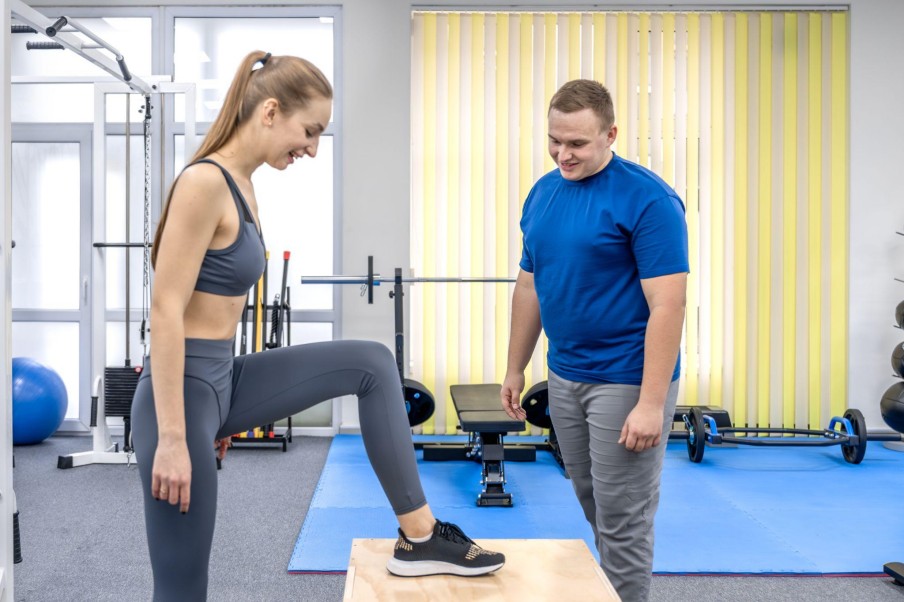
Sports physiotherapy helps prevent common sports injuries before they become serious.
A structured plan at a rehab centre in Singapore supports safe recovery and long-term performance.
Tailored strength and mobility work improves movement efficiency and reduces strain.
Early intervention often shortens downtime and protects future athletic goals.
Introduction
Weekend football at the neighbourhood pitch, evening runs around MacRitchie, and spin classes before work reflect how Singaporeans stay active despite packed schedules and humid weather. Yet alongside that drive and discipline lies a risk that is often overlooked. Small aches are easily brushed aside, tight calves are dismissed as “normal”, and a sore shoulder may linger far longer than it should without proper attention.
That is where sports physiotherapy plays a quiet but powerful role, as it does more than treat injuries. It builds resilience and sharpens movement. It keeps the body ready for the next sprint, match, or race.
More Than Just Rehab, It’s Prevention
Many people associate physiotherapy with recovery after surgery or a serious injury. That is partly true. A reputable rehab centre in Singapore often sees patients post-ACL reconstruction or after a slipped disc. But prevention is just as important as treatment.
Sports physiotherapy focuses on how the body moves under load. It looks at biomechanics, muscle imbalances, joint stability and coordination. If a runner’s hips lack strength, the knees may compensate. If a swimmer’s shoulder blade is unstable, the rotator cuff works overtime. Over time, strain builds.
Addressing these issues early can prevent problems that might otherwise sideline someone for months. Think of it like servicing a car before it breaks down. No one waits for smoke from the bonnet. The same logic applies to the body.
Performance Gains That Go Beyond Strength
It may sound contradictory, but slowing down can actually make someone faster. Structured sports physiotherapy often starts with controlled movements—slow squats. Measured lunges and precise balance drills may seem basic at first, yet they form an essential part of building strength, stability, and proper movement patterns.
As mobility improves and weak links strengthen, power transfers more efficiently. Stride length gradually increases, reaction time becomes sharper, and even breathing mechanics can show noticeable improvement with consistent training. For competitive athletes, these marginal gains matter. For recreational players, they make sport feel smoother and less taxing.
Many athletes in Singapore turn to a rehab centre in Singapore not only after injury but also during pre-season training. It becomes part of their conditioning routine. A quiet advantage, perhaps, but a real one.
Understanding The “Why” Behind Pain
Pain can be confusing. A tight hamstring might actually stem from poor core control. Recurring ankle sprains could reflect balance deficits rather than weak ligaments alone.
Sports physiotherapy breaks down these patterns. Through movement assessments, strength testing and sometimes gait analysis, physiotherapists identify root causes instead of just calming symptoms. This investigative approach matters. Treating pain without addressing its source often leads to repeated injuries.
And in a climate like Singapore’s, where year-round sport is common, there is little true off-season to recover naturally. Structured care fills that gap.
Recovery Done Right
When injuries do occur, proper rehabilitation is non-negotiable. Rushing back too soon can undo weeks of progress. A structured programme at a rehab centre in Singapore guides recovery through phases.
First comes pain control and inflammation management. Then gradual mobility work. Strength follows. Finally, sport-specific drills prepare the body for real-world demands.
This phased approach protects healing tissues while restoring confidence. That psychological piece is often overlooked. After injury, hesitation creeps in. Athletes hold back. They second-guess movements. Guided sports physiotherapy rebuilds trust in the body, step by step.
Small Adjustments, Big Impact
Sometimes the solution is surprisingly simple, involving a small adjustment to running cadence, a correction in squat depth, or a revised warm-up routine that better prepares the body for movement.
These small adjustments may not look dramatic, yet they reduce strain and improve efficiency. Sports physiotherapy thrives on such details. It blends science with observation, numbers with nuance.
There is also education involved. Athletes learn how to self-manage minor tightness, how to recognise early warning signs, and when to seek help. That knowledge empowers long-term health.
Why It Matters For Everyday Athletes
Not everyone trains for marathons or national competitions. Many people simply want to stay active without pain, and that goal is both valid and important for long-term health and well-being.
A working professional playing futsal on weekends still stresses joints and muscles. A parent chasing children at East Coast Park still relies on strength and stability. Sports physiotherapy is not reserved for elite athletes; it is designed to support anyone who values movement and wants to stay active safely and effectively.
Conclusion
Injury prevention and performance are not separate goals. They are closely connected, as a body that moves well is better able to resist strain, while a body that recovers properly is more capable of performing at its best.
Sports physiotherapy bridges that gap between treatment and optimisation. Whether recovering from a setback or preparing for a new challenge, structured support at a rehab centre in Singapore provides a clear path forward. It reduces risk, builds strength and restores confidence.
For those serious about staying active without constant aches and interruptions, professional guidance makes a tangible difference. Contact Rehab & Beyond to begin a personalised sports physiotherapy programme and keep every stride, swing and sprint strong.