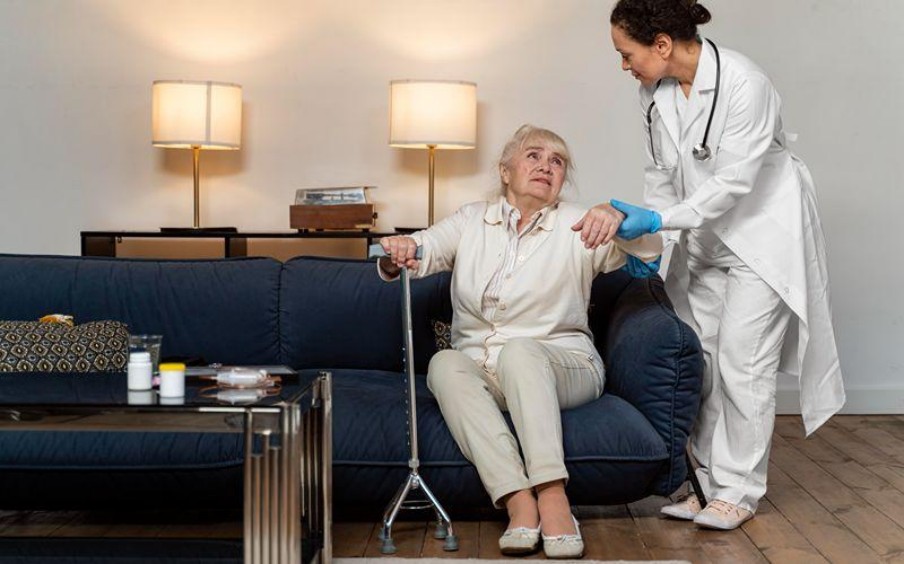
Many families searching for home physiotherapy in Singapore begin with a simple comparison. They line up providers, note session fees, and choose the lowest figure that feels acceptable. This approach feels sensible, especially when care may continue for weeks or months. Lower home physiotherapy charges appear to protect household budgets at a stressful time. What often goes unnoticed is how cheaper care can reshape recovery itself. Initial cost savings can subtly increase time, decrease intensity, and result in subsequent costs. What initially appeared to be inexpensive may eventually turn out to be the more costly choice overall.
1. Lower Session Fees Often Extend Total Treatment Time
Cheaper sessions frequently come with shorter durations or slower progression. Exercises advance cautiously, reassessments happen less often, and goals gradually shift. Each visit costs less, yet more visits become necessary. Families focus on the per-session price rather than the total number of sessions required. Home physiotherapy charges remain manageable week by week while overall recovery stretches far longer than expected, increasing cumulative cost without drawing attention early.
2. Reduced Intensity Can Delay Functional Milestones
Lower pricing sometimes reflects conservative treatment intensity. Sessions prioritise safety and routine over challenge. Early improvements still appear, which reinforces confidence in the choice. Later milestones take longer to reach. Walking endurance, balance, confidence, or strength gains plateau. Home physiotherapy charges stay low, but progress slows. The financial savings trade for time, and time quietly becomes the more expensive factor.
3. Add-On Fees Accumulate After Care Begins
Initial quotes capture the full picture. Travel surcharges, reassessments, equipment use, and extended sessions appear as needs change. Each cost seems reasonable when introduced. Together, they alter the original calculation. Cheaper providers may rely more heavily on add-ons to adapt care. Home physiotherapy charges grow through accumulation, reducing the price gap that influenced the initial decision.
4. Limited Reassessment Increases Inefficiency
Regular reassessment guides progression and prevents wasted effort. Lower-cost models sometimes reduce reassessment frequency to contain fees. Exercises repeat longer than necessary or fail to adjust when the response changes. Sessions continue without refinement. Home physiotherapy charges look stable, yet inefficiency increases. Families pay for time rather than targeted improvement, which extends care without proportional benefit.
5. Household Labour Replaces Professional Time
Lower charges often shift responsibility to families. Caregivers supervise exercises, assist transfers, and manage safety between sessions. This unpaid labour consumes time and energy. Mistakes require correction later. Progress depends heavily on household consistency rather than clinical oversight. Home physiotherapy charges decrease on paper while hidden costs increase through fatigue, lost work time, and caregiver strain.
6. Narrow Scope Limits Responsiveness
Cheaper services may offer a narrower intervention scope. Progression options remain limited when recovery complexity increases. Adjustments require referrals, additional services, or longer timelines. Families accept slower change because care remains affordable. Home physiotherapy charges contain costs upfront but restrict adaptability, which prolongs treatment when needs evolve.
7. Comfort With Ongoing Costs Reduces Urgency
When fees feel manageable, urgency declines. Families tolerate slow improvement because spending remains predictable. Escalation feels unnecessary. Therapy continues comfortably without pressure to reassess direction. Home physiotherapy charges that fit budgets reduce financial stress while allowing recovery momentum to fade. Time becomes the silent expense.
Conclusion
Cheaper home physiotherapy rarely fails outright. It succeeds slowly. Lower charges can stretch timelines, shift labour to households, and normalise inefficiency. Over months, the cumulative cost rises through duration rather than price. Understanding how affordability influences pace and decision-making clarifies why lower fees do not always protect budgets. Cost must be judged across recovery outcomes, not session totals.
Contact The Home Physio to discuss pricing in relation to treatment duration and progression.