

The Truth About Going Seed Oil Free and Why It Matters
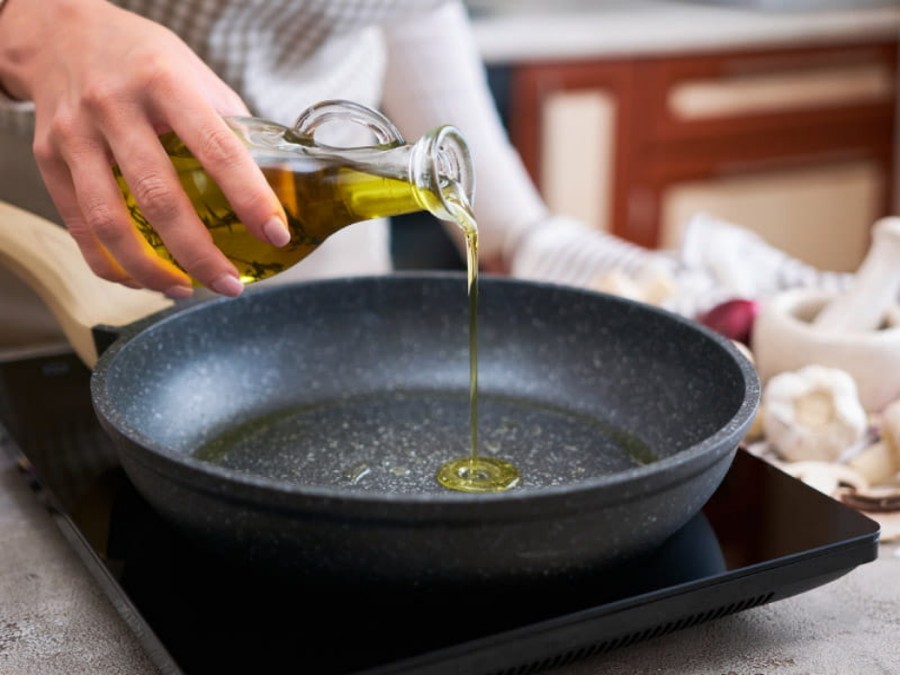
More people are taking a closer look at the ingredients in their food. One question that continues to surface is: Why avoid seed oils? These oils—commonly found in processed and restaurant foods—are often marketed as healthy, but growing evidence suggests otherwise. Understanding the effects of seed oils and choosing a seed oil free lifestyle with products from https://www.rootsfarmfresh.com can lead to better health, improved cooking, and a more sustainable way of eating.
What Are Seed Oils?
Seed oils are derived from the seeds of various plants such as soybeans, sunflowers, and rapeseed. Their extraction typically involves industrial methods that use high heat and chemical solvents to produce a long-lasting, neutral-tasting oil. While they’ve been promoted as a healthier alternative to animal fats due to their low saturated fat content, the processing methods and fatty acid composition raise significant health concerns.
Why Seed Oils Can Be Harmful
High in Omega-6 Fatty Acids
Seed oils are rich in omega-6 fatty acids. Although our bodies need some omega-6s, the modern diet contains far too much compared to omega-3s. This imbalance contributes to chronic inflammation, which is associated with numerous conditions such as heart disease, diabetes, obesity, and autoimmune disorders.
Highly Processed and Chemically Altered
The refining process that produces seed oils involves heating, bleaching, and deodorizing. These steps can generate trans fats and oxidized compounds that may harm cardiovascular health. The use of chemical solvents further degrades their quality and raises questions about long-term consumption safety.
Connection to Chronic Illness
Consuming large amounts of seed oils has been linked to inflammation and oxidative stress—two factors that play a role in chronic diseases like cancer, Alzheimer’s, and metabolic syndrome. Over time, the buildup of these compounds can damage cells and accelerate aging.
Environmental Impact
Seed oil production also takes a toll on the planet. Many crops used to make these oils are grown in large-scale monocultures that deplete soil nutrients, drive deforestation, and rely heavily on pesticides. Choosing alternatives helps support more sustainable and regenerative food systems.
Common Seed Oils to Limit or Avoid
- Soybean oil
- Canola oil
- Corn oil
- Sunflower oil
- Safflower oil
- Cottonseed oil
- Grapeseed oil
These oils are found in fried foods, sauces, salad dressings, and even many baked goods. Reading ingredient labels carefully is a key step toward a seed oil free diet.

The Benefits of Going Seed Oil Free
Promotes Better Health
Reducing or eliminating seed oils can help lower inflammation, support heart health, and balance metabolism. Many people notice improvements in energy, skin clarity, and digestion after removing seed oils from their diet.
Improves Cooking Quality
Seed oils often break down when exposed to high heat, releasing harmful compounds. More stable alternatives perform better in cooking, preserving both flavor and nutritional value.
Supports Sustainability
Using natural fats from more sustainable or regenerative sources benefits both your health and the environment. These fats often come from small-scale producers focused on ethical and eco-friendly methods.
Healthier Alternatives to Seed Oils
- Olive oil:Ideal for dressings or low-heat cooking, rich in antioxidants and healthy fats.
- Avocado oil:Excellent for frying or roasting due to its high smoke point.
- Coconut oil:Great for baking and medium-heat cooking, known for its stability.
- Animal fats:Traditional options such as tallow, lard, and ghee are nutrient-dense and free from industrial processing.
How to Reduce Seed Oil Consumption
Read Food Labels
Seed oils often hide in packaged snacks, condiments, and ready-made meals. Check ingredient lists to identify and avoid them.
Cook at Home
Preparing food yourself ensures control over ingredients. Stock your kitchen with healthy, natural fats instead of industrial oils.
Ask Questions When Dining Out
Restaurants frequently use seed oils for frying or cooking due to cost efficiency. Don’t hesitate to ask if alternative oils or fats are available.
Debunking Common Myths About Seed Oils
“Aren’t Seed Oils Good for the Heart?”
Although low in saturated fat, seed oils’ high omega-6 content and instability under heat counteract their supposed benefits. Choosing stable, naturally occurring fats supports long-term heart health more effectively.
“Isn’t Going Seed Oil Free Too Expensive?”
While natural fats and oils can seem pricier, their nutritional benefits and stability often make them more economical in the long run. Simple swaps and home cooking can also make this lifestyle affordable.
Embracing a Seed Oil Free Lifestyle
Eliminating seed oils isn’t a fad—it’s a meaningful step toward better health and mindful eating. By avoiding these highly processed oils, you reduce inflammation, support sustainable agriculture, and enjoy cleaner, more flavorful food.
Transitioning to a seed oil free lifestyle starts with awareness and small, intentional choices. Whether you’re cooking at home, shopping for groceries, or dining out, every decision to avoid seed oils moves you closer to a more balanced, vibrant, and nourishing way of living.