

How to Tell If Your Eye Bags Are Ageing, Genetic, or Fluid-Related
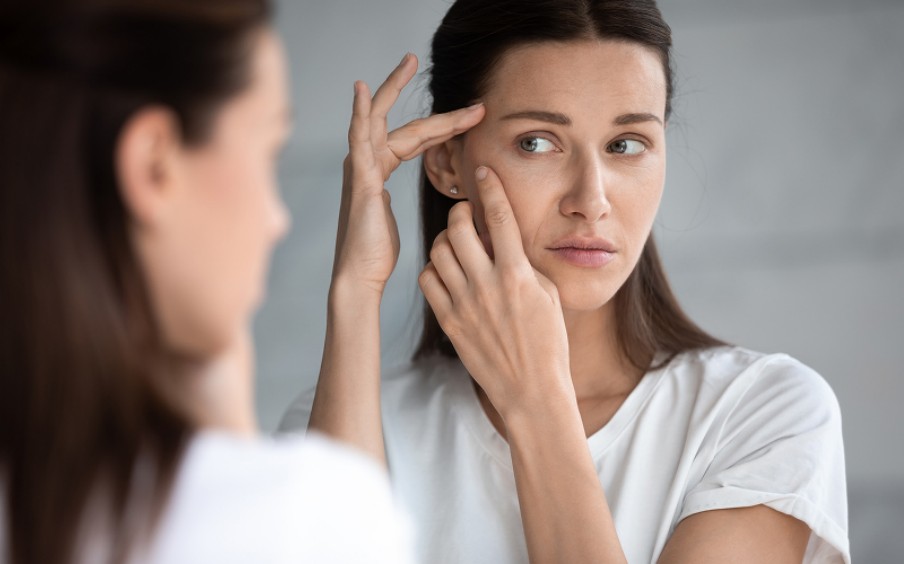
Eye bags develop for different reasons, and knowing the root cause helps determine whether lifestyle changes, topical care, or clinical procedures are necessary. Many individuals consider eye bag removal when the condition becomes persistent or affects their appearance. However, an accurate assessment is important before choosing any treatment. Knowing whether ageing, genetics, or fluid retention is responsible allows you to approach an aesthetics clinic near you with clearer expectations.
How Ageing Contributes to Eye Bags
Ageing is one of the most common causes of under-eye puffiness. Fat pads may protrude more visibly as the skin loses elasticity and the supporting structures around the lower lids weaken. Collagen production declines, making the skin thinner and more prone to sagging. Individuals may also notice hollowness along the tear troughs, which exaggerates the puffiness of the fat pads. Ageing-related eye bags tend to remain consistent throughout the day rather than fluctuating. The underlying issue may be structural if the puffiness looks more pronounced in photos and does not improve even with better sleep or reduced salt intake. These signs indicate that non-surgical tightening or surgical correction may be more suitable than temporary remedies.
Signs Your Eye Bags Are Genetic
Genetic factors influence facial structure, fat distribution, and skin thickness. Some individuals notice eye bags from a young age despite restful sleep or a balanced lifestyle. Once one or both parents have a visible lower-lid protrusion, this increases the likelihood of inheriting the same concern. Genetic eye bags often appear as persistent bulges that do not change much throughout the day. They may be accompanied by a deep tear trough or a naturally fuller under-eye fat pad. Unlike ageing-related sagging, genetic eye bags can affect individuals in their teens or twenties. These characteristics suggest that topical products and lifestyle adjustments may do little to reduce the appearance, making professional evaluation a more practical step. Once genetic factors are involved, assessment at an aesthetics clinic nearby can help identify whether non-invasive tightening, fillers, or surgical options are more appropriate.
How Fluid Retention Causes Temporary Puffiness
Fluid retention under the eyes can create puffiness that mimics structural eye bags, but the cause is often temporary. Factors such as high sodium intake, allergies, lack of sleep, hormonal changes, or prolonged screen time can increase fluid accumulation. Puffiness from fluid retention typically fluctuates throughout the day and improves with movement, hydration, or cold compresses. Individuals may notice swelling in the morning that reduces by midday. Unlike ageing or genetic eye bags, fluid-related puffiness feels softer and may shift slightly when pressed. Seasonal allergies may also play a role, leading to swelling, itchiness, and rubbing, which aggravates the area. Lifestyle adjustments and appropriate topical care can significantly reduce the appearance of these cases. However, if the puffiness becomes constant, it may indicate underlying structural changes rather than fluid accumulation.
How to Identify the Root Cause Before Seeking Treatment
Observation is the first step. Consider whether the puffiness changes in size, whether family members have similar concerns, and when the swelling tends to be most visible. Eye bags that remain consistent despite rest or hydration are more likely to be structural. Puffiness that fluctuates or improves with behavioural changes may be related to fluid retention. Ageing concerns often come with signs of skin thinning, wrinkles, and sagging around the lower eyelids. A consultation for eye bag removal in Singapore can provide clarity if uncertainty remains. Clinics use imaging, physical assessment, and a review of lifestyle factors to determine the exact cause. This approach ensures that the recommended procedure addresses the underlying issue rather than offering temporary improvements.
Conclusion
Eye bags can result from ageing, genetics, or fluid retention, and each cause requires a different approach. Identifying the underlying factor helps prevent unnecessary treatments and allows you to focus on solutions that offer predictable outcomes. Remember, if the cause is unclear or persistent, visiting an aesthetics clinic near you allows for a more accurate assessment and tailored management plan.
Contact Dr Shirley Kwee to understand the real cause of your eye bags before committing to any treatment.