
Neurosurgical Solutions for Complex Brain and Spine Conditions
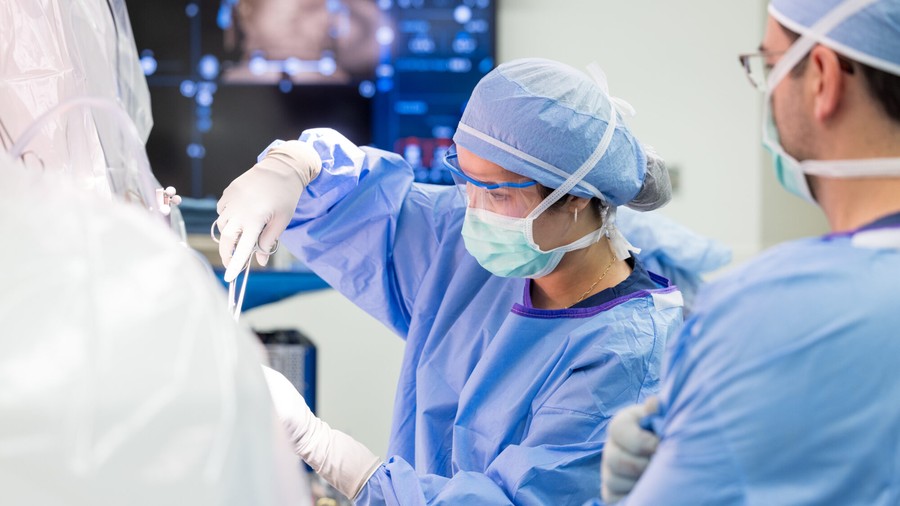
When the brain or spine is affected by a serious condition, everyday tasks can suddenly become difficult. Walking, speaking, maintaining balance, or even performing simple movements may become challenging. These conditions often require specialized care because the brain and spinal cord control nearly every function in the body.
Modern neurosurgery has transformed the way doctors manage complex neurological disorders. Today, patients benefit from advanced imaging, minimally invasive techniques, and highly precise surgical planning that can improve outcomes and reduce recovery times. While surgery is not always the first treatment option, it often plays a critical role when other approaches cannot effectively address the problem. Neurosurgeons also provide non-surgical treatments and typically explore conservative options before recommending an operation.
Key Takeaways
- Neurosurgical care addresses conditions affecting the brain, spine, and nervous system.
- Not all neurological conditions require surgery.
- Early diagnosis often improves treatment outcomes.
- Modern techniques allow for greater surgical precision.
- Recovery plans are tailored to each patient’s condition and health status.
Understanding Complex Brain and Spine Disorders
The nervous system is incredibly complex. Even a small problem in the brain or spinal cord can affect movement, sensation, memory, or coordination.
Some conditions develop gradually, while others appear suddenly. Common examples include:
- Brain tumors
- Spinal cord injuries
- Herniated discs
- Spinal stenosis
- Degenerative spine disorders
- Congenital neurological conditions
- Certain movement disorders
Brain and spinal cord tumors, for example, can place pressure on surrounding tissues and disrupt normal neurological function. Treatment often depends on the tumor’s size, location, and growth pattern.
Healthcare teams use advanced diagnostic tools and Neurosurgical Instruments to perform delicate procedures that require exceptional precision around critical nervous system structures.
When Neurosurgical Treatment Becomes Necessary
Many neurological conditions respond well to medication, physical therapy, rehabilitation, or monitoring. However, some situations require surgical intervention.
Doctors may consider surgery when:
Symptoms Continue to Worsen
Progressive weakness, increasing pain, loss of sensation, or declining mobility may indicate that a condition is affecting nerves or the spinal cord.
Structural Problems Affect Function
Conditions such as spinal stenosis can narrow spaces within the spine and place pressure on nerve roots or the spinal cord. This pressure may lead to pain, weakness, and mobility issues.
Tumors Need Removal or Biopsy
Some brain and spinal tumors require surgery to remove abnormal tissue, reduce pressure, or obtain samples for diagnosis. Neurosurgery often serves as a primary treatment option for many central nervous system tumors.
Advances That Are Changing Neurosurgical Care
Neurosurgery has evolved significantly over the last few decades. Modern approaches focus on improving accuracy while minimizing disruption to healthy tissue.
Image-Guided Procedures
High-resolution MRI and CT imaging help surgeons map important brain and spinal structures before surgery begins. This detailed planning reduces uncertainty during complex procedures.
Minimally Invasive Techniques
Whenever appropriate, surgeons may use smaller incisions and specialized tools. These approaches often lead to less tissue damage, reduced discomfort, and shorter hospital stays.
Enhanced Surgical Navigation
Advanced navigation systems provide real-time guidance during procedures. These technologies help surgeons work with greater precision in areas where even minor errors can have significant consequences.
The Importance of Early Evaluation
Many patients delay seeking care because symptoms seem manageable at first. Unfortunately, neurological conditions can progress over time.
Warning signs that deserve medical attention include:
- Persistent headaches
- Unexplained weakness
- Numbness or tingling
- Difficulty walking
- Loss of balance
- Changes in vision
- Chronic neck or back pain
- Loss of bladder or bowel control
Early evaluation allows healthcare providers to identify the cause of symptoms and recommend the most effective treatment plan.
Recovery Is Part of the Treatment Process
Successful neurosurgical care extends beyond the operating room. Recovery often includes rehabilitation, physical therapy, pain management, and ongoing monitoring. Patients recovering from brain or spine procedures may need time to regain strength, coordination, and confidence in daily activities. A structured rehabilitation plan helps support long-term recovery and functional improvement.
The timeline varies depending on the condition being treated, the complexity of the procedure, and the patient’s overall health.
Looking Ahead
Neurosurgical solutions continue to evolve as technology and medical research advance. Today’s treatments offer greater precision and improved outcomes for many complex brain and spine conditions.
For patients facing neurological challenges, early diagnosis, informed decision-making, and access to specialized care can make a meaningful difference. Understanding available treatment options empowers patients and families to navigate their healthcare journey with greater confidence and clarity.