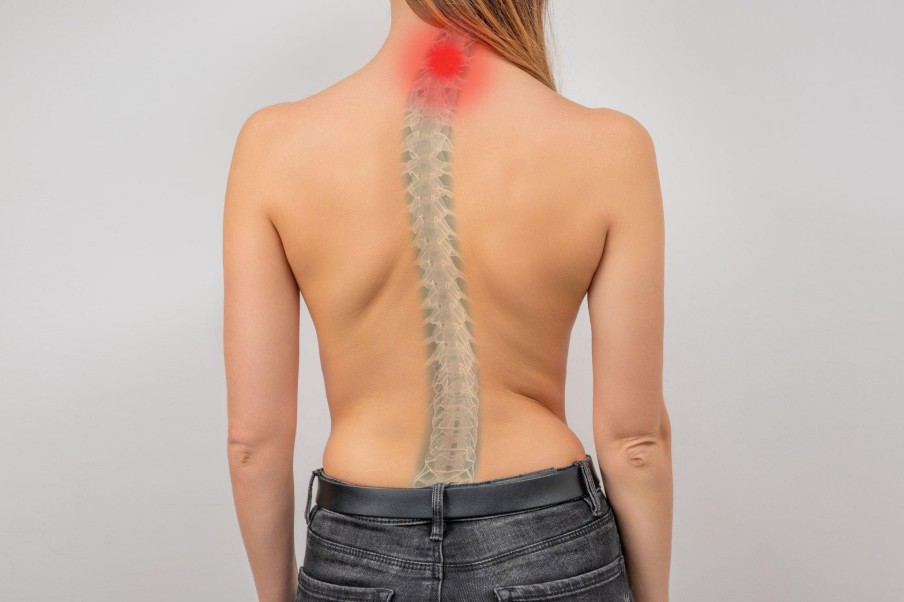
Early treatment can bring mild soreness as muscles adapt to new spinal alignment.
Discomfort levels may shift during care but usually remain manageable with guidance.
Bracing and rehabilitation can cause pressure sensations while your body adjusts.
Tracking daily habits and emotions helps maintain comfort during recovery.
Introduction
Concerns about discomfort can surface when planning scoliosis treatment in Singapore. Spinal curves influence muscle balance, posture, and daily movement, so wondering how your body may react feels natural. Having realistic expectations helps you stay relaxed and prepared while your care plan unfolds.
Treatment usually moves through several phases, each creating different sensations. Knowing what your body might feel can reduce worry and keep unexpected aches from catching you off guard. Guidance from a chiropractor in Singapore can also clarify how discomfort may shift as treatment progresses and how you can manage it sensibly.
Pain Levels During Early Treatment Stages
Adjusting to New Body Movements
Beginning scoliosis treatment in Singapore usually encourages muscles and joints to adapt to improved positioning. Mild soreness can appear while your spine settles into these changes. Tightness may resemble the feeling after trying a new exercise routine, where muscles stretch and learn new patterns.
Experiencing small aches does not automatically signal a concern. Muscles working differently can produce short bursts of stiffness. Staying mindful of posture habits and daily activities helps your body adjust with fewer complaints from your back.
How Manual Adjustments Feel
Hands-on sessions with a chiropractor in Singapore typically focus on improving spinal alignment and joint mobility. Gentle pressure, movement, or clicking sounds may occur. Feeling surprised during your first few sessions feels common, yet the sensation usually passes quickly. Many people describe it as a brief reset, quick and manageable.
Keeping your muscles relaxed during sessions helps adjustments feel smoother. Slow breathing and steady positioning encourage your body to respond comfortably, making each visit feel less tense.
Pain Changes During Ongoing Treatment
Muscle Fatigue and Adaptation
Muscles can feel tired as your body learns to hold improved alignment. Training new movement habits can resemble rehearsing unfamiliar dance steps, where repetition builds coordination while creating temporary fatigue.
Gradually building strength helps keep discomfort under control. Stretching routines and guided exercise drills encourage muscle recovery between sessions. Paying attention to your body’s signals helps prevent soreness from lingering longer than expected.
Monitoring Discomfort During Rehabilitation
Scheduled progress reviews help track how your spine responds to care, and these assessments are typically handled by a chiropractor in Singapore. Changes in discomfort may connect to posture habits, activity levels, or rest patterns. Small modifications to treatment plans can then reflect your comfort level.
Keeping a simple record of physical sensations can help identify pain patterns. Noticing when stiffness or aches appear during your day helps guide future adjustments and movement advice.
Pain Expectations During Advanced Treatment or Bracing
Wearing Braces and Pressure Sensations
Some care plans within scoliosis treatment in Singapore involve wearing spinal braces to guide correction. Pressure around the ribs or waist can develop while your body adapts to brace positioning. Skin sensitivity and muscle tightness may also appear during the early adjustment period.
Starting with shorter wearing durations can reduce irritation. Choosing breathable clothing layers beneath the brace helps reduce rubbing, keeping everyday wear comfortable.
Long-Term Comfort and Spinal Stability
Follow-up care often continues alongside rehabilitation work or brace usage. Developing stronger posture awareness helps improve body control, which may gradually reduce persistent discomfort.
Routine reviews allow care providers to detect small alignment shifts early. Minor corrections during visits help maintain steady spinal progress and reduce the chance of discomfort building over time.
Managing Pain Throughout the Treatment Journey
Daily Habits That Influence Comfort
Daily routines strongly influence discomfort levels. Sitting posture, sleeping positions, and lifting techniques can place different levels of strain on your spine. Small changes, including supportive seating and balanced mattress arrangements, can ease everyday tension.
Taking regular movement breaks prevents stiffness from settling in. Gentle stretching between tasks keeps muscles active and reduces pressure around the spine.
Emotional Expectations During Recovery
Uncertainty during treatment can shape how discomfort feels. Stress and tension may increase muscle tightness, making aches feel more noticeable. Staying informed about each stage of care helps reduce worry and keeps you confident about your progress.
Open conversations with your care provider help address concerns quickly. Clear communication builds reassurance and keeps treatment aligned with your comfort needs.
Conclusion
Discomfort during scoliosis care varies for every individual, yet many sensations remain manageable when treatment plans are followed carefully. Understanding how your body may respond helps reduce uncertainty and supports a smoother recovery journey. Professional guidance keeps each stage of care organised and focused on comfort.
Contact Chiropractic Studio today to discuss personalised scoliosis care and learn how guided treatment plans can help you manage spinal discomfort with confidence.