Regular screening helps detect eye diseases before symptoms appear, which protects long-term vision.
Digital lifestyles place new stress on the eyes, making routine checks part of modern optical eye care.
Eye examinations can reveal early indicators of broader health concerns such as diabetes or hypertension.
Introduction
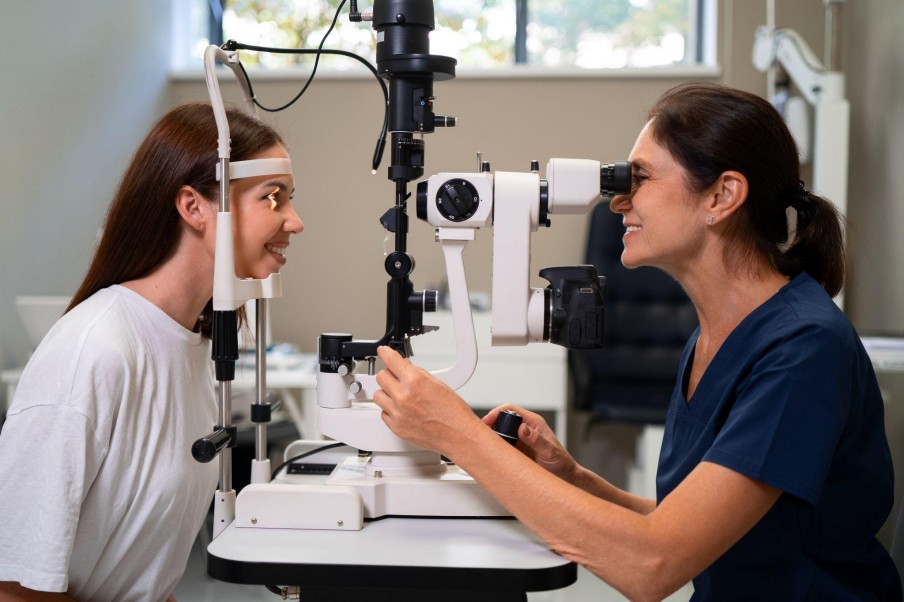
Many people only book an appointment when their vision becomes noticeably unclear. In reality, consistent eye screening in Singapore plays a central role in long-term optical eye care because vision changes and eye diseases often develop quietly. Daily routines now include extended screen use, ageing populations face higher risks of degenerative eye conditions, and chronic illnesses can affect the eyes without early warning. A structured eye examination allows professionals to evaluate more than prescription strength. It checks the health of internal eye structures and identifies changes that may require monitoring.
These seven reasons explain why regular screening remains a practical step for protecting long-term vision and maintaining responsible optical eye care habits.
1. Detecting Eye Conditions Before Symptoms Appear
Many serious eye conditions develop without obvious discomfort or visible warning signs. Glaucoma illustrates this risk clearly because damage to the optic nerve may progress silently until vision loss becomes noticeable. Regular eye screening in Singapore includes measurements of eye pressure and optic nerve assessment, which allow professionals to identify irregular changes early. Early detection does not simply prevent future complications; it also creates an opportunity for monitoring and timely treatment that protects visual function over the long term.
2. Monitoring Myopia Progression in Younger Age Groups
Short-sightedness remains widespread in Singapore, particularly among children and young adults. Regular eye examinations help monitor how quickly myopia progresses and whether visual habits contribute to that progression. Optical eye care professionals evaluate focusing ability, eye growth patterns, and visual behaviour. This information helps guide appropriate corrective lenses and other management approaches that reduce the risk of high myopia later in life. Consistent monitoring ensures that corrective strategies adapt as vision changes through different life stages.
3. Addressing Digital Eye Strain in Modern Work Habits
Extended screen exposure places continuous demand on visual focus. Many people experience headaches, tired eyes, or difficulty maintaining concentration after long periods of digital work. A professional eye screening in Singapore assesses how the eyes coordinate during sustained close-up tasks. Optometrists evaluate focusing flexibility and alignment between both eyes. These insights help determine whether adjustments to prescriptions or work habits can relieve discomfort. Digital lifestyles continue to evolve, making regular screening a practical step in responsible optical eye care.
4. Tracking Age-Related Vision Changes
As people age, natural changes occur within the eye’s internal structures. The lens gradually loses clarity, which contributes to cataract formation and reduced visual sharpness. Routine screening helps track these changes over time, allowing individuals to understand when vision decline begins to affect daily activities. Eye screening in Singapore enables professionals to document gradual changes and provide guidance on the appropriate timing for further treatment if required. Monitoring progression helps people maintain confidence in their long-term visual health.
5. Identifying Signs of Systemic Health Conditions
The eyes provide a unique view of blood vessels within the body. During a comprehensive examination, optometrists can observe the condition of these vessels at the back of the eye. Changes may suggest early indicators of systemic health concerns such as diabetes or high blood pressure. While eye examinations do not replace medical diagnosis, they can highlight patterns that warrant further investigation. In this way, optical eye care supports a broader awareness of personal health beyond vision alone.
6. Ensuring Accurate and Balanced Vision Correction
Corrective prescriptions require more than determining whether one lens appears clearer than another. Balanced vision ensures that both eyes contribute equally to daily visual tasks. When one eye compensates for the other, fatigue and visual discomfort can develop gradually. Regular eye screening in Singapore evaluates depth perception, focusing coordination, and alignment between the eyes. These assessments allow professionals to refine prescriptions so that visual effort is distributed evenly, improving comfort during activities such as reading, driving, or extended screen use.
7. Evaluating Dry Eye and Environmental Factors
Urban environments frequently involve air-conditioned offices, prolonged device use, and reduced blinking during concentrated work. These conditions contribute to dry eye symptoms, including irritation, redness, or fluctuating clarity. Eye examinations allow optometrists to evaluate tear stability and the function of glands that support natural lubrication. Optical eye care assessments identify whether environmental factors influence symptoms and help determine appropriate management strategies. Addressing these concerns early helps maintain visual comfort during daily routines.
Conclusion
Clear vision relies on consistent attention rather than reactive treatment. Regular eye screening in Singapore provides a structured opportunity to observe changes that may otherwise remain unnoticed. These examinations help identify silent conditions, monitor lifestyle-related strain, and maintain balanced visual performance across different stages of life. By viewing screening as a routine health practice rather than a response to blurred vision, individuals support the long-term stability of their optical eye care and protect the reliability of their sight.
Contact Wiseland Eyecare to schedule a comprehensive eye screening in Singapore and maintain long-term vision health.