

Why a Gym Fitness Trainer Changes Personal Training
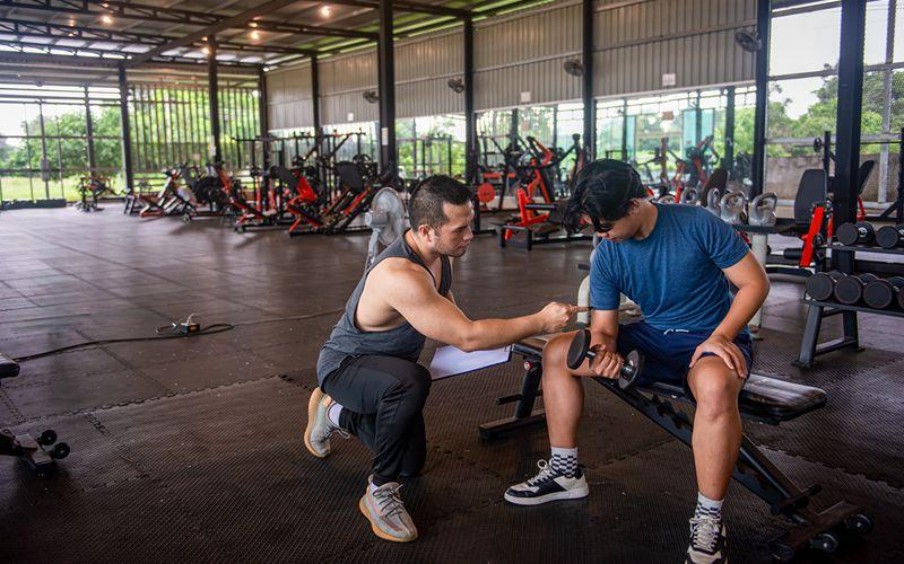
For years, the idea of fitness progress has been shaped by a familiar narrative: turn up to the gym, follow a routine you found online, and results will follow if you stay disciplined enough. Yet, experience on the ground increasingly challenges that assumption. More people are discovering that working with a gym fitness trainer reshapes how progress actually happens, especially within the context of personal training in Singapore, where time, space, and lifestyle pressures are very real.
The Myth of “Do-It-Yourself” Fitness
One long-standing belief is that motivation and discipline alone are enough. While self-driven routines can work for some, many people stall or stop entirely. The missing piece is often not effort, but direction.
A gym fitness trainer offers something that DIY plans cannot: immediate feedback. In personal training in Singapore, trainers observe movement quality, pacing, and recovery in real time. Challenging the DIY myth reframes it as something built through guidance rather than guesswork.
Rethinking What Progress Looks Like
Traditional wisdom often equates progress with intensity. Heavier weights, longer sessions, or higher frequency are seen as signs of improvement. In practice, this approach frequently leads to burnout or injury.
A gym fitness trainer shifts the focus from doing more to doing better. Within personal training in Singapore, progress is often measured through consistency, movement confidence, and recovery rather than exhaustion. This challenges the idea that discomfort is the primary indicator of success.
The Fallacy of One-Size-Fits-All Programmes
Generic programmes assume similar needs across bodies, schedules, and stress levels. A gym fitness trainer adapts sessions based on individual responses rather than preset templates.
In personal training in Singapore, where clients juggle work, commuting, and family commitments, adaptability matters. Trainers adjust intensity, volume, and exercise selection to reflect real-life constraints. Challenging one-size-fits-all thinking highlights why personalised guidance often leads to steadier progress.
Technique Over Effort
Another traditional belief is that effort compensates for imperfect form. In reality, poor technique often limits results and increases strain.
A gym fitness trainer prioritises how movements are performed, not just how many repetitions are completed. This emphasis is particularly relevant in personal training in Singapore, where limited session time makes efficiency essential. Correcting movement patterns early can reduce setbacks and make training feel more sustainable.
Accountability Beyond Motivation
Motivation fluctuates. Relying on it alone assumes constant enthusiasm, which is rarely realistic. Traditional fitness advice often overlooks this.
Working with a gym fitness trainer introduces accountability that does not depend on mood. Scheduled sessions, progression reviews, and ongoing check-ins are common in personal training in Singapore. This structure challenges the belief that self-motivation is the primary driver of consistency.
Redefining Convenience
Many people assume that solo gym workouts are more convenient because they offer flexibility. Yet flexibility without structure can lead to missed sessions.
A gym fitness trainer reframes convenience as efficiency. Sessions are planned, purposeful, and time-bound. In personal training in Singapore, this approach suits individuals who value predictable routines over open-ended gym visits.
Learning as Part of Training
Traditional fitness culture often separates learning from doing. Instructions are minimal, with the expectation that repetition will lead to understanding.
A gym fitness trainer integrates education into sessions. Clients learn why exercises are chosen and how they contribute to goals. In personal training in Singapore, this learning element empowers individuals to make better decisions outside sessions, challenging the idea that knowledge is secondary to action.
Injury Prevention as Progress
Rest and recovery are often treated as afterthoughts. Traditional advice sometimes frames pushing through discomfort as dedication.
A gym fitness trainer recognises that longevity matters. Personal training in Singapore increasingly emphasises injury prevention through load management and recovery strategies. This challenges the belief that stopping or adjusting equates to failure.
Personalisation Versus Automation
Fitness apps and automated plans promise personalisation through algorithms. While convenient, they lack human judgment.
A gym fitness trainer interprets feedback that technology cannot. Fatigue, stress, and motivation are nuanced and subjective. In personal training in Singapore, this human element allows for responsive adjustments, challenging the assumption that automation can replace expertise.
Long-Term Thinking Over Short-Term Wins
Quick transformations are heavily marketed, reinforcing the belief that fast results are ideal. Yet rapid change is difficult to maintain.
A gym fitness trainer encourages long-term thinking. Progress is gradual, measurable, and sustainable. Within personal training in Singapore, this mindset supports habits that extend beyond short-term goals, challenging the culture of immediate gratification.
Conclusion
Challenging traditional fitness wisdom reveals a clearer picture of what drives meaningful progress. A gym fitness trainer does more than supervise workouts; they reshape how individuals approach effort, consistency, and learning. Within personal training in Singapore, this shift reflects modern realities where time is limited and sustainability matters. Rather than relying on outdated assumptions, rethinking fitness through guided, adaptable training can make progress feel achievable and lasting.
If your current routine feels repetitive or stalled, get in touch with Vigeo Health & Fitness today.