
7 Misconceptions About Traditional Chinese Medicine Massage
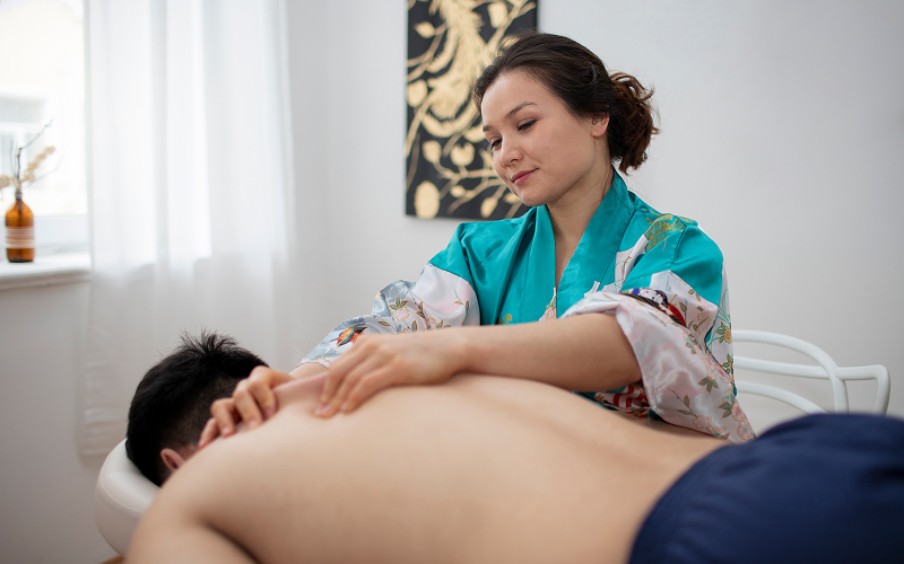
Traditional Chinese medicine, widely known through the abbreviation TCM, has shaped many wellness practices that people explore today. Among its therapies, traditional Chinese medicine massage remains popular for easing discomfort, improving circulation, and restoring balance. However, misconceptions often influence how patients view this therapy before trying it. Some expect instant results, while others misunderstand how the techniques actually work. Seeking guidance from a registered TCM clinic in Singapore helps patients understand the treatment with clarity and avoid assumptions that interfere with their progress. Addressing these misconceptions gives individuals a clearer pathway to informed, confident decisions.
1. “TCM Massage Works Like A Regular Spa Massage”
Many assume TCM massage is simply a relaxing spa experience, but it follows a far more structured approach. Techniques focus on specific meridians, points, and muscle groups to correct imbalances and address long-standing tension. While relaxation may occur, the purpose extends deeper than comfort alone. A registered practitioner evaluates the patient’s condition first, then applies pressure with specific therapeutic goals in mind.
2. “Any Practitioner Can Perform This Massage Safely”
Because massage feels familiar, some believe anyone can perform it. However, TCM techniques require training rooted in anatomy, meridian theory, and diagnostic knowledge. Registered TCM practitioners in Singapore ensure that practitioners meet established standards and understand how different health conditions affect treatment. This reduces the risk of discomfort or improper technique. Safe practice depends on proper training, not general familiarity with massage.
3. “Results Should Be Immediate And Dramatic”
Patients sometimes expect major improvements after a single session. Traditional Chinese medicine massage encourages gradual release, especially when tension or imbalance has built up over time. Some individuals feel lighter right away, while others experience steady progress through repeated sessions. Understanding this timeline helps patients appreciate the therapy’s long-term benefits rather than expecting instant transformation.
4. “It Works The Same Way For Every Person”
TCM recognises that each body responds differently. What works well for one patient may require adjustment for another. A registered TCM practitioner in Singapore evaluates factors such as lifestyle habits, stress levels, sleep patterns, and past injuries before recommending a technique. This personalised approach allows the practitioner to adapt pressure, rhythm, and focus areas to suit the patient’s needs. A standardised method would not achieve the same effect.
5. “Painful Techniques Mean Effective Treatment”
Some individuals believe a stronger, more forceful massage leads to better results. In truth, excessive pressure may cause strain or inflammation. Traditional Chinese medicine massage emphasises balanced force that stimulates circulation without overwhelming the tissues. Registered practitioners understand how to apply pressure safely, adjusting as the patient communicates their comfort level. Effective treatment should feel therapeutic rather than punishing.
6. “Massage Alone Can Solve All Discomfort”
Massage is a valuable tool, yet it works best when combined with other supportive measures. Practitioners may recommend stretches, rest, herbal formulas, or lifestyle adjustments to strengthen the outcome. Registered TCM practitioners in Singapore include professionals who consider health from multiple angles. They recognise when massage helps and when additional therapies may offer better support. This holistic view improves long-term results.
7. “You Only Need It When Pain Appears”
Many seek therapy only after discomfort becomes disruptive. Traditional Chinese medicine massage, however, functions both as relief and prevention. Regular sessions maintain circulation, ease stress, and correct early signs of imbalance before they develop into more persistent issues. Viewing massage as part of a wellness routine rather than a last resort encourages more stable and lasting comfort.
Conclusion
TCM massage offers structured, meaningful support for the body, yet misconceptions still shape how patients approach it. Understanding the therapy beyond the common myths allows individuals to experience its full benefits with realistic expectations. Guidance from a registered TCM practitioner in Singapore ensures each session follows proper techniques and respects the patient’s needs. With accurate knowledge, patients can embrace the therapy with confidence and clarity.
Contact Great Wall TCM for advice from a licensed TCM practitioner in Singapore and to learn about safe and effective traditional Chinese medicine massage.